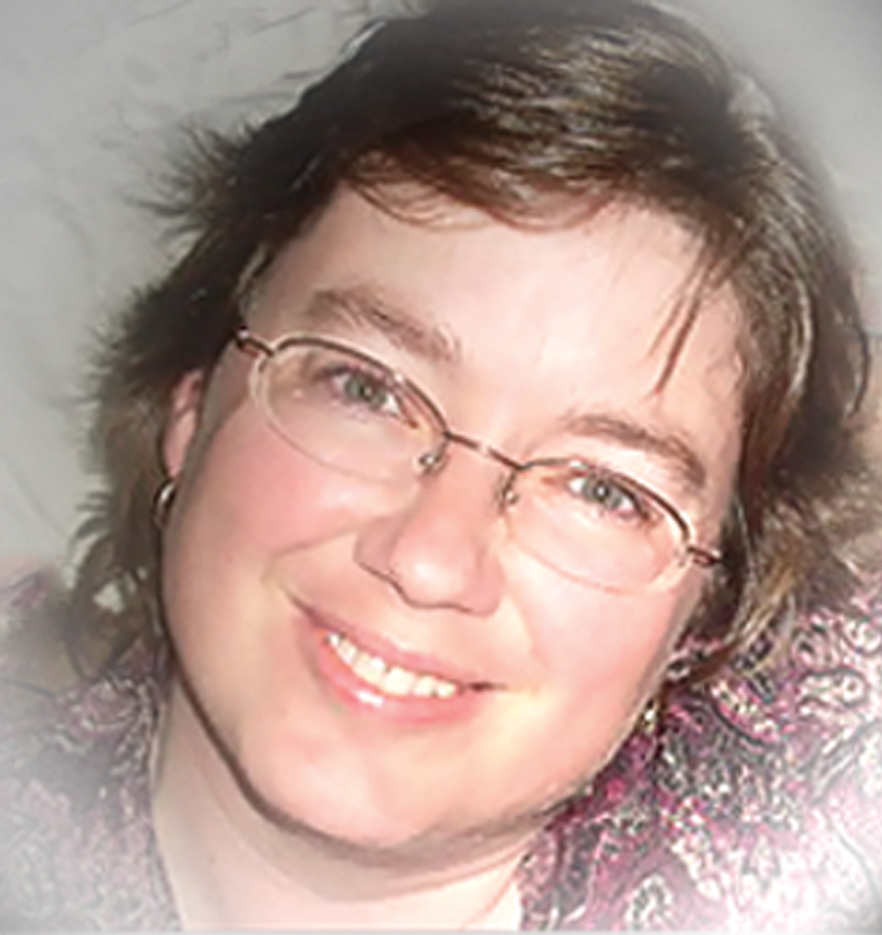
Welcome, Johnnie, to my blog and question city.
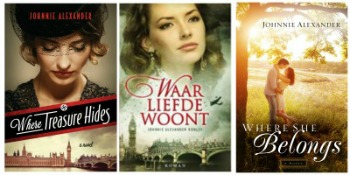 Years ago, did you see yourself where you are today, celebrating the print copy of a World War II novel?
The turning point for me came in 2003 when I participated in National Novel Writing Month (NaNoWriMo) for the first time. For the next decade I dreamed of being a published author. Like many writers, it was a two steps forward/one step back journey. And sometimes it was a one step forward/many steps back journey.
Other milestones came from winning awards at a writers conference, having an editor show interest in my writing, and then winning the ACFW Genesis historical category in 2011.
I am thrilled that Tyndale released the print copy of Where Treasure Hides. It’s not the first print edition—that one was in Dutch—but it’s the first one I can actually read!
The World War II era intrigues me. There’s no end to the incredible stories, and writing projects produce change in us (at least, they do in me). How did you grow through writing Where Treasure Hides?
I’m intrigued by the World War II era also. The tragedies are horrendous, and yet we find amazing stories of courage and heroism. I asked myself what I would have done in different situations I read about. People risked their lives to save others, and they risked their lives to protect artistic treasures. The novel explores the theme of what we value most and it also encourages us to rejoice in the future God has planned for us. I try to remember that every day.
How did your heroine’s character develop, and what prompted the translation into Dutch? I mean, why not French, Italian, or Spanish?
Alison Schuyler, my heroine, was created especially for the hero with a touch of practicality and a few pages of free writing in a journal.
Now to explain that!
Ian Devlin, the hero, plays a major role in an unpublished novel I wrote before Treasure. His relationship with the woman he loves is mentioned in that story (but I can’t say much more than that without getting into Treasure spoilers).
The practicality came about because I once heard an editor advise new writers to stick to American characters. Alison needed to live in Europe if she was going to meet Ian, so I decided her father was Dutch and her mother was an American.
Alison was born in Chicago and lived there until she was twelve years old. This would also explain any Americanisms that popped up. However, as I got into the story, I learned a secret about Alison’s mom. Those details are still a bit of a mystery.
To become better acquainted with my heroine, I opened a journal and wrote: My name is Alison Schuyler . . .
After writing several pages, I knew more about Alison’s family heritage. From there, she grew into her own person as the story itself developed.
The translation happened because a freelance editor with a Dutch publishing company read the story, loved it, and recommended it to her client. And they published it!
Alison lives in Rotterdam, Holland, and her family has owned an art gallery there for generations. Except for a few scenes that take place in England, most of the opening chapters are set in Rotterdam.
I’d like to learn more about Where She Belongs, as well. How would you compare the writing process with Where Treasure Hides?
Both novels were NaNoWriMo projects before they were polished manuscripts. Exuberant, messy drafts that needed a lot of revision—Where She Belongs in 2005 and Where Treasure Hides in 2009.
WSB is a contemporary so it didn’t require nearly the research that Treasure did. It’s also a more personal story since I once lived in the house that is at the center of the novel and often dreamed of someday living there again.
Both stories are “heart” stories. Treasure because of my fascination with the themes it explores and WSB because of my cherished memories of a beautiful brick home that was abandoned for a time.
The turning point for me came in 2003 when I participated in National Novel Writing Month (NaNoWriMo) for the first time. For the next decade I dreamed of being a published author. Like many writers, it was a two steps forward/one step back journey. And sometimes it was a one step forward/many steps back journey
Other milestones came from winning awards at a writers conference, having an editor show interest in my writing, and then winning the ACFW Genesis historical category in 2011.
I am thrilled that Tyndale released the print copy of Where Treasure Hides. It’s not the first print edition—that one was in Dutch—but it’s the first one I can actually read!
 Alison Schuyler, my heroine, was created especially for the hero with a touch of practicality and a few pages of free writing in a journal.Now to explain that!
Ian Devlin, the hero, plays a major role in an unpublished novel I wrote before Treasure. His relationship with the woman he loves is mentioned in that story (but I can’t say much more than that without getting into Treasure spoilers).
The practicality came about because I once heard an editor advise new writers to stick to American characters. Alison needed to live in Europe if she was going to meet Ian, so I decided her father was Dutch and her mother was an American.
Alison was born in Chicago and lived there until she was twelve years old. This would also explain any Americanisms that popped up. However, as I got into the story, I learned a secret about Alison’s mom. Those details are still a bit of a mystery.
To become better acquainted with my heroine, I opened a journal and wrote: My name is Alison Schuyler . . .
After writing several pages, I knew more about Alison’s family heritage. From there, she grew into her own person as the story itself developed.
The translation happened because a freelance editor with a Dutch publishing company read the story, loved it, and recommended it to her client. And they published it!
Alison lives in Rotterdam, Holland, and her family has owned an art gallery there for generations. Except for a few scenes that take place in England, most of the opening chapters are set in Rotterdam.
Both novels were NaNoWriMo projects before they were polished manuscripts. Exuberant, messy drafts that needed a lot of revision—Where She Belongs in 2005 and Where Treasure Hides in 2009.
WSB is a contemporary so it didn’t require nearly the research that Treasure did. It’s also a more personal story since I once lived in the house that is at the center of the novel and often dreamed of someday living there again.
Both stories are “heart” stories. Treasure because of my fascination with the themes it explores and WSB because of my cherished memories of a beautiful brick home that was abandoned for a time.
Why do both titles begin with the same word?
I’m a little tickled by that, but it’s not on purpose. Where Treasure Hides has been the only title I’ve ever used for that story.
But that’s NOT the case with Where She Belongs.
I’ve actually lost count of how many titles it has had. Though I can tell you it was Bronze Medal finalist in the My Book Therapy Frazier Contest under the title Where the Whippoorwill Calls.
When I submitted the proposal to my agent, it was titled Into a Spacious Place. I love this phrase because it’s a promise I believe God made to me when I was at a writers conference several years ago.
When I read Psalm 31:8 as part of my morning devotion, this jumped out at me: You “have set my feet in a spacious place.”
I believed it was an assurance that God held my dreams in his hands; not necessarily, that I’d be published someday, but that whatever happened, I could trust in him.
Psalm 18:19, is used as the story’s epigraph: He brought me out into a spacious place; he rescued me because he delighted in me.
I just love that.
However . . . the marketing team at Revell thought Where She Belongs was a more apt title for a contemporary romance. And I agree.
Thank you so much for honoring us with a visit, Johnnie, and for offering your giveaway to a commenter–either a print or e-copy. And for those interested in purchasing:
Buy Links:
To connect with Johnnie:
Facebook Profile (Friend or Follow!)
Facebook Author Page