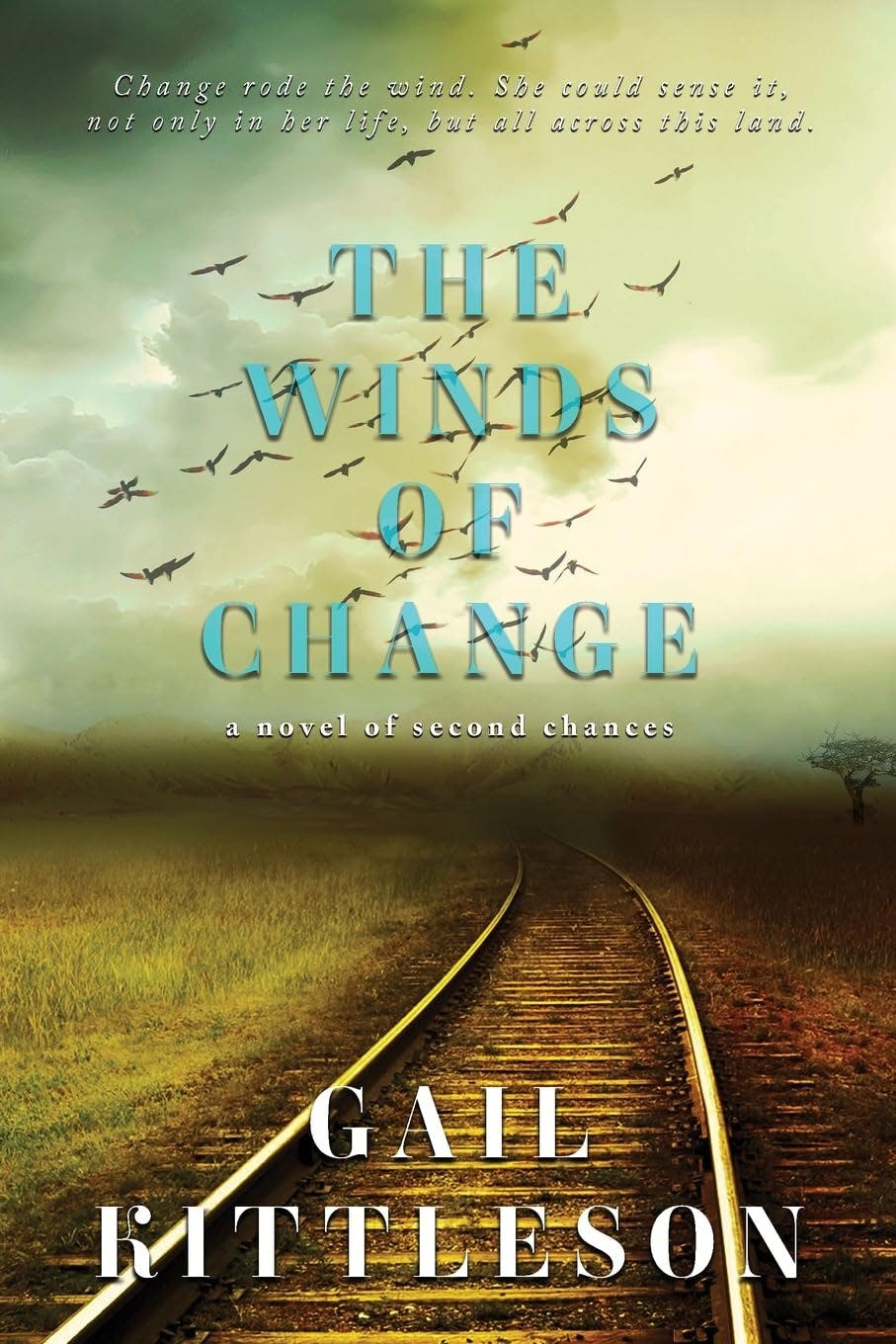
Remember when your very first novel released, or looking forward to that day? Here’s a new story on my reading list: Tamelia Aday’s The Filbert Ridge Miracle. I welcome Tamelia to share a bit of background info. And she’s offering an e-book to one fortunate commenter, too.

I started writing The Filbert Ridge Miracle when my oldest son was in grade school. I wish I remembered the exact year, but it’s one of those things where you are piecing something together little by little. And in reality, maybe I don’t want to know how long it took me.
The Filbert Ridge Miracle is about a pastor’s family who live in a small town. They are scrutinized for their unruly children and the wife, Rose, is especially considered odd.
I had a germ of an idea of this mom, feeling the judgement of others, trying to escape into a world that no one knew about. To have a secret life of feeding the homeless and helping the needy. I then considered what if one of her children went missing. I pictured her on the streets looking for her son. The raw parts of this story had their moments on a word processor floppy disk, marked “Free Time.”
Years later, the whole direction of the story changed with a miracle in the church parking lot. At that moment I was in the voice of Patrick, who before had almost no part in the story. Everything shifted and Patrck’s feelings and aggravations flowed across the page becoming the first chapter which changed the rest of the book. I found my voice the same time Patrick let me use his.
Piecing together a parking lot miracle to a missing child was a challenge, but through a lot of throwing out of material—another whole book’s worth probably—it came together.
The Filbert Ridge Miracle is published by WordsCraft Press. Available on Amazon in e-book, paperback, and hardback https://a.co/d/3n2pHkU
From the back cover
It was October 7, 1967.
The festival in Filbert Ridge, Oregon, came early, and many wondered if they had followed the usual tradition of celebrating the hazelnut harvest on the second Saturday of October, perhaps things would have gone in a different direction.
Instead, town history and the lives of its citizens changed forever.
Get in touch with Tamelia

https://www.facebook.com/share/BhmEfBrsufNfRhmR/?mibextid=LQQJ4d
https://www.instagram.com/tameliaaday?igsh=MTFkbWZvMTc4amZoag%3D%3D&utm_source=qr



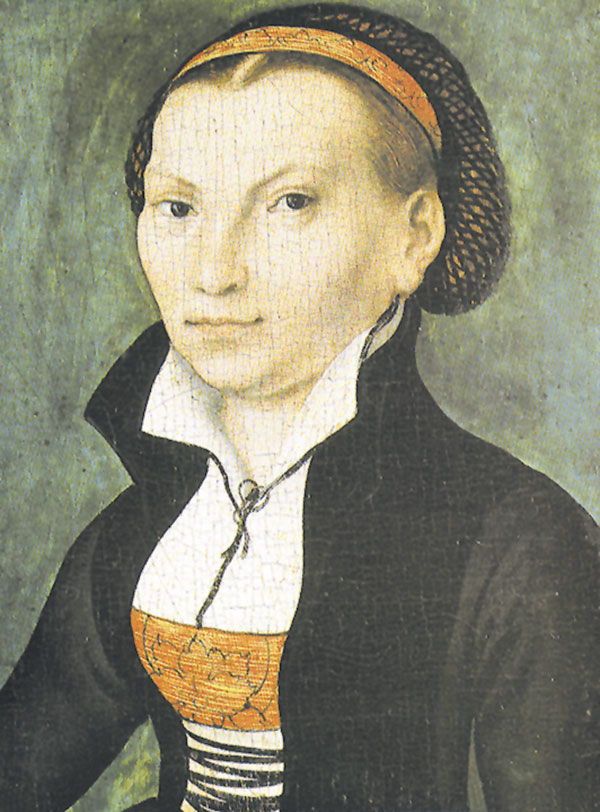 KATHERINA VON BORA’S LIFE was one of hard work and solid virtue. When she was a young girl, her father placed her in a German convent following his remarriage. She heard Luther’s teachings in her early twenties and accepted his doctrine of justification by faith alone. With some other nuns she contacted the reformer, requesting help to escape the convent. Luther arranged for a delivery-man to smuggle the women out in empty fish barrels. Luther asked the families of the young women to take them back. When they proved unwilling, he found husbands for all of them. However, he was not able to find a place for Katie. Eventually he proposed to her and married her the same day. They seem to have been a happy couple. Her hard work and practical domestic skills (budgeting, raising livestock, and brewing beer) fed and clothed them, their children, several orphans, and the many students who boarded with them. After Luther’s death, Katie reared their younger children alone for six years. Elector John Frederick, the ruler of Saxony, set up a small trust fund and helped her purchase a farm near Wittenberg. However, her land was taxed unmercifully by contending armies during the Schmalkaldic War, leaving her in crushing poverty. As a result, she had to flee. Her animals were confiscated and her house burned to the ground. After peace was restored, Katie borrowed a thousand gulden to rebuild. To repay her loan, she took student boarders. When plague broke out in Wittenberg in 1552, the university staff and students moved to Torgau, a place less affected by the disease. With her boarders gone, Katherina was again in dire financial straits. She decided to follow the university, but her decision proved catastrophic. At the end of the sixty mile trip, not far from the gate of Torgau, her horses bolted and she had to leap from the wagon into a lake. She was lifted from the water severely bruised. Friends carried her into the city. Although she fought for life for three months, the pain and hardships of her latter years sealed her inevitable end. Her last recorded words were, “I will cling to my Lord Christ as a burr on a coat.” On this day, 20 December 1552 she died. Next day, the entire university turned out for her funeral.—Dan Graves